
Integrated Research Environment (IRE) · By Scholars for Scholars
See the shape of your field.
Gather the publications that matter, map how they connect, and read and annotate them in one place, with an assistant that reads your project materials.
Powered by bibliometric and scientometric analysis
Fig. 00 — A researcher and the field around them.
Ask a question, get a map
Not sure which map you need? Ask.
Type a research question and SciNodes picks the right map and settings from a library of more than 120 expert-designed research questions.
…and thousands more in the library.
A unified workspace
Corpus, map and assistant, side by side.
Projects hold your corpora, maps, notes and conversations. Everything you attach to a question stays in view.
How it works
From a scattered literature to a field you can see.
Discover
Search millions of works, describe your focus and let SciNodes plan the searches, or import from Scopus, Web of Science, PubMed and more.
Learn moreMap
Five network maps, clustered and weighted automatically. Ask a question and get the right one.
Learn moreRead
Fetch open-access PDFs in one click, highlight, comment and keep notes linked to the evidence.
Learn moreAsk
Attach a map, a cluster or a paper to a conversation. The assistant answers from what you attached.
Learn moreCollaborate
Share projects with roles, bookmark authors and venues, and surface what your team engages with most.
Learn more
Five maps
Every map reveals a different structure.
Maps are clustered and weighted automatically using centrality measures such as degree, betweenness, closeness and eigenvector.
Fig. 01 — Co-authorship Who works with whom: research teams, collaboration hubs and isolated groups.
“Who are the most influential authors?”
Fig. 02 — Term co-occurrence The main themes and how they relate, from titles, abstracts and keywords.
“What are the main research themes?”
Fig. 03 — Citation Which publications build on which.
“How has the field developed over time?”
Fig. 04 — Co-citation The foundational works your field cites together.
“Which papers does everything build on?”
Fig. 05 — Bibliographic coupling Publications that share references: emerging fronts of research.
“Where are the emerging research fronts?”
Use cases
One workspace, four kinds of question.
- Use case 01Literature reviewsSystematic and scoping reviews, from the first search to the annotated bibliography.Read the use case
- Use case 02Bibliometric & scientometric analysisCo-authorship, term co-occurrence, citation, co-citation and bibliographic coupling, clustered and weighted.Read the use case
- Use case 03Research landscape mappingSee where a field came from, where it is now, and where it is heading.Read the use case
- Use case 04Research intelligenceWho matters, who works with whom, and which venues carry the conversation.Read the use case
Who it is for
- PhD students and early-career researchersMapping a new field for a thesis or a first review.
- Academics and research groupsRunning systematic and scoping reviews.
- Librarians and research-support staffHelping others navigate the literature.
- Research managers and analystsSeeing collaboration networks, influential work and emerging topics at a glance.
State of the art
The assistant reads what you attach, not what it guesses.
Suggest plans your searches. Question routing picks your maps. Four assistants answer with the full text of your PDFs, your notes and your highlights in view.
Explore the state of the art- 01SuggestDescribe your focus; SciNodes plans and runs the searches.
- 02Question routing120+ expert-designed questions mapped to the right map and settings.
- 03Atlas · Sage · Vega · NovaFour assistants, from Expert to Budget. Sage is the default.
Made for the people doing the work
Built with PhD students, research groups, librarians and analysts.

Fig. 02 — Mapping a thesis field. 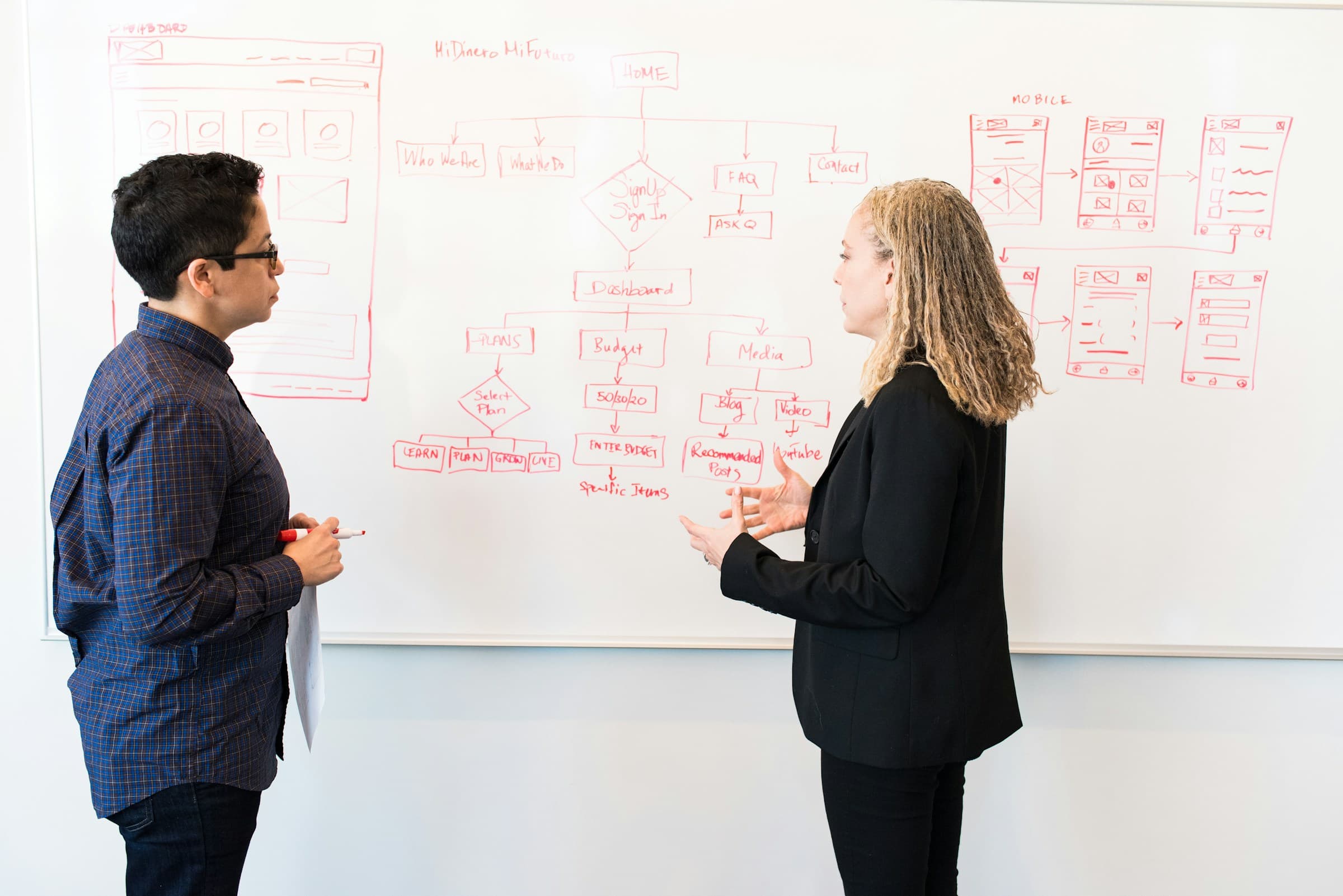
Fig. 03 — A review team agreeing on scope. 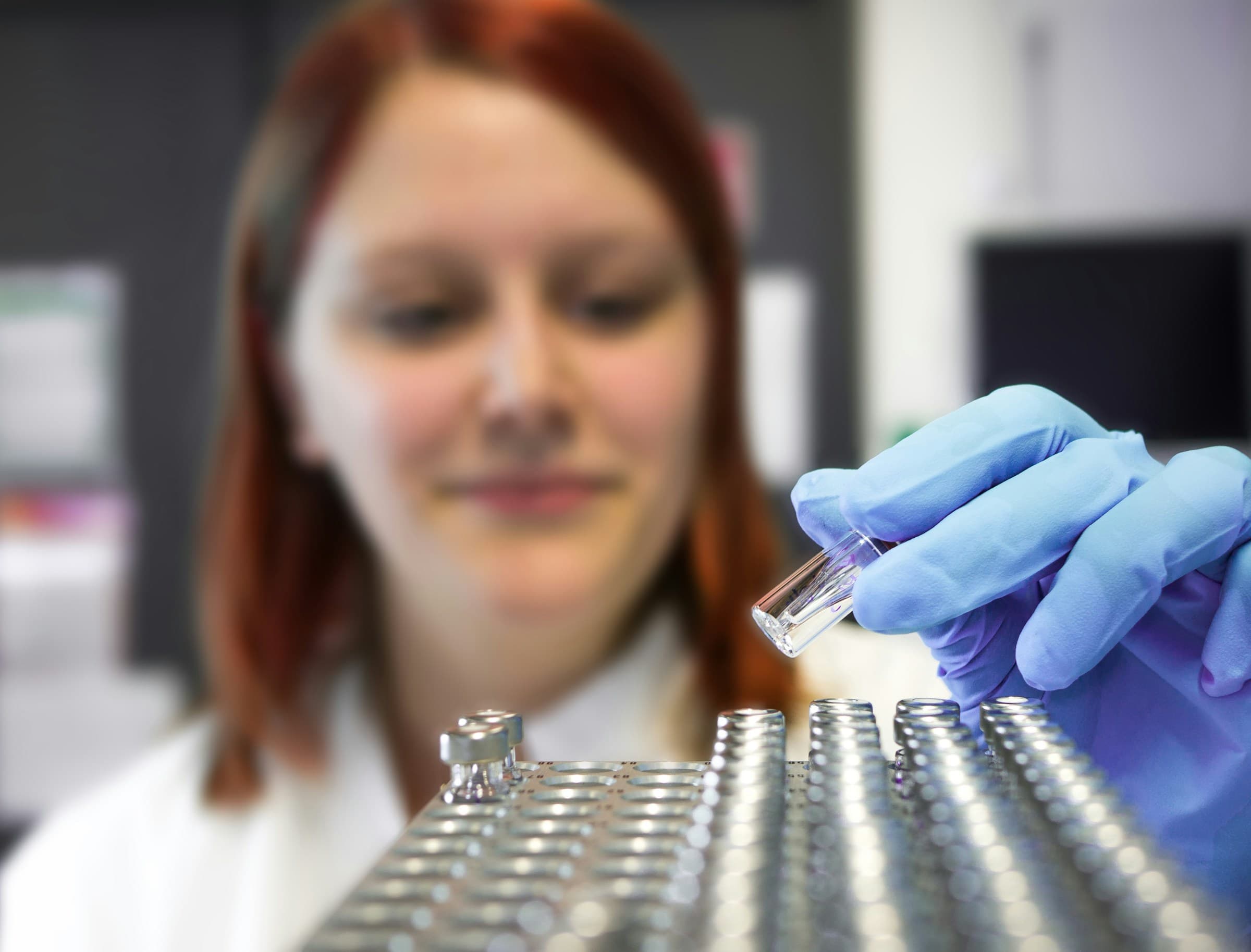
Fig. 04 — Reading between experiments.
Open scholarship, private projects
Built on open sources. Your research stays yours.
- OpenAlexWorks, authors, venues, citations.
- CrossrefDOIs and reference lists.
- RORResearch organisations, resolved.
Your projects, notes, annotations and chats are private to you and the people you choose to share them with. You can opt out of having de-identified usage data used to improve the service at any time.
Read the privacy policyPlans
Start small. Grow when the field does.
Every plan includes a weekly allowance for the research assistant, question routing, term explanations, translations and PDF conversion. Upgrade, downgrade or cancel whenever you like.
See plans and pricing- Economy
- Base
- Power
Create your first project.
Or explore the literature right now, no sign-up needed, on SciVerse.